
From Head to Toe
Learning to Learn
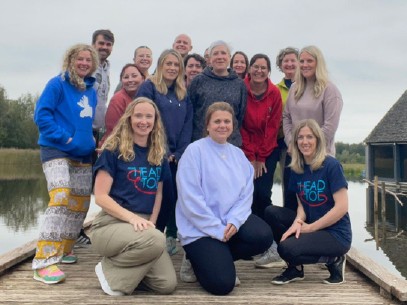
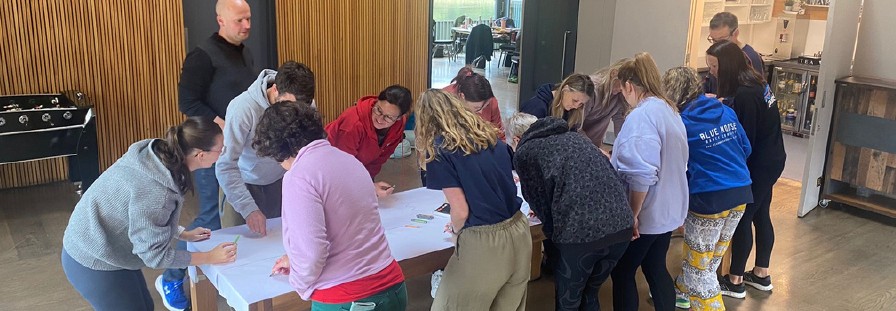
Dance Artist Sarah has been working with Year 6 exploring creative writing and word class whilst also investigating the impact more physical approaches to learning have on the class. We have tested what is possible in the classroom (in it’s existing setup and with the furniture rearranged) as well as taking the learning into the hall. The latter of these approaches really unlocked possibilities for some pupils, allowing them to be more animated, expressive and contribute more to class discussion and development of their own learning. In Year 2/3 we have been exploring times tables and multiplication through a range of
classroom based tasks that support pupils to move around more and specifically take the lead in peer-peer and group based tasks, fostering independence and enthusiasm for learning.
Our Evaluation lead, Ruth, has spent this first term listening, questioning and supporting the development of the project, to ensure that the evaluation undertaken is meaningful, realistic, integrated, and supports learning and impact for teachers, pupils, senior leadership teams, dance artists and the wider school community. Ruth will meet teachers at the Team Days across the 2 years and will occasionally come and visit in school.
During this Autumn Term our initial evaluation focus has been on teachers and building reflective skills to capture their early thoughts and experiences of the project. We’re particularly interested in creative methods of reflection and evaluation, moving beyond traditional questionnaires to approaches that can capture embodied experiences and the richness of creative practice. We’re working closely with our Evaluation Consultant from Paul Hamlyn Foundation (PHF), who provides invaluable support throughout the project. PHF is keen that evaluation is not a tick-box exercise but a formative process that informs and develops our emerging inquiry. Our working research question is:
How might greater awareness of our creative-physical selves inform, support and develop our experiences of
teaching and learning in primary schools?
We will be sharing sub-questions for Teachers, Artists, SLT and Blue Moose, which offer a deeper, individual
exploration.
What have we found this year?
Strong use across the school
All teaching staff are using active learning regularly:
- In every or most lessons across the week
- Most strongly embedded in English and Maths, as well as History, Geography and PE
Positive impact on pupils
Staff consistently report that active learning:
- Significantly improves pupil engagement
- Encourages children to participate confidently
- Supports collaboration and communication skills
Children are more motivated, involved, and willing to take risks in their learning.
How does this look in classrooms?
Teachers are using a range of approaches, including:
- Practical, hands-on activities
- Group and collaborative learning
- Outdoor learning opportunities
- Problem-solving and challenging tasks
These strategies help pupils to learn by doing, talking and thinking, rather than just listening.
Our next steps
While active learning is well established, we are continuing to develop our practice by:
- Ensuring it is used consistently across all subjects, including the arts and computing
- Increasing opportunities for problem-solving and deeper thinking
- Continuing to monitor the impact on both engagement and outcomes
In summary
Active learning is a strength of our school. It supports our aim to nurture children who are:
- Confident learners
- Curious and engaged
- Ready to take on new challenges
As part of our Active Learning project, we gathered feedback from our pupils to understand what helps them learn best. Their responses have been invaluable in shaping our approach.
What our pupils told us
Pupils highlighted that they particularly enjoy:
- Working together in groups
- Learning through games and practical activities
- Opportunities to learn outdoors
- Being active and moving around the classroom
Many children shared that lessons are most enjoyable when they are interactive, fun, and involve talking, doing and exploring, rather than just sitting and listening.
Impact on learning
The majority of pupils told us that active lessons:
- Help them understand their learning better
- Make lessons more enjoyable and engaging
- Encourage them to take part and feel confident
What we are developing next
While pupils recognise the benefits of active learning, they also told us that these opportunities do not happen in every lesson. As a result, we are continuing to:
- Increase opportunities for pupils to be active in all subjects
- Ensure all classes provide regular, engaging learning experiences
- Build on strategies that support both enjoyment and deep understanding
In their own words…
Pupils told us they enjoy learning when:
- “We can move around”
- “We play games to help us learn”
- “We go outside”
- “Lessons are fun and teachers make us laugh”
Our aim
We are committed to ensuring all children experience learning that is:
- Engaging and active
- Enjoyable and meaningful
- Supportive of confidence and understanding
Pupil voice continues to play an important role in shaping our curriculum, and we are excited to keep developing our active learning approach together.


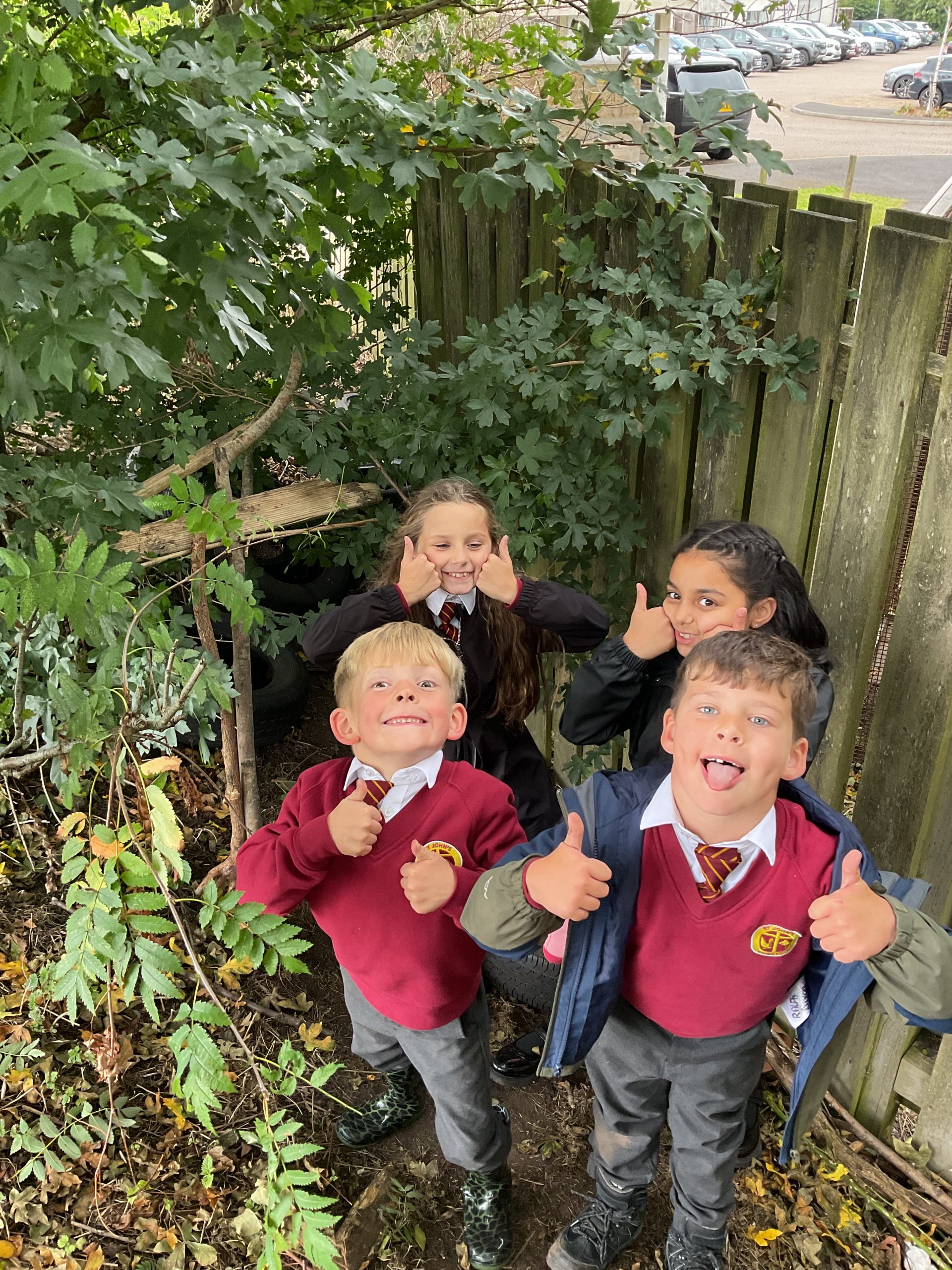
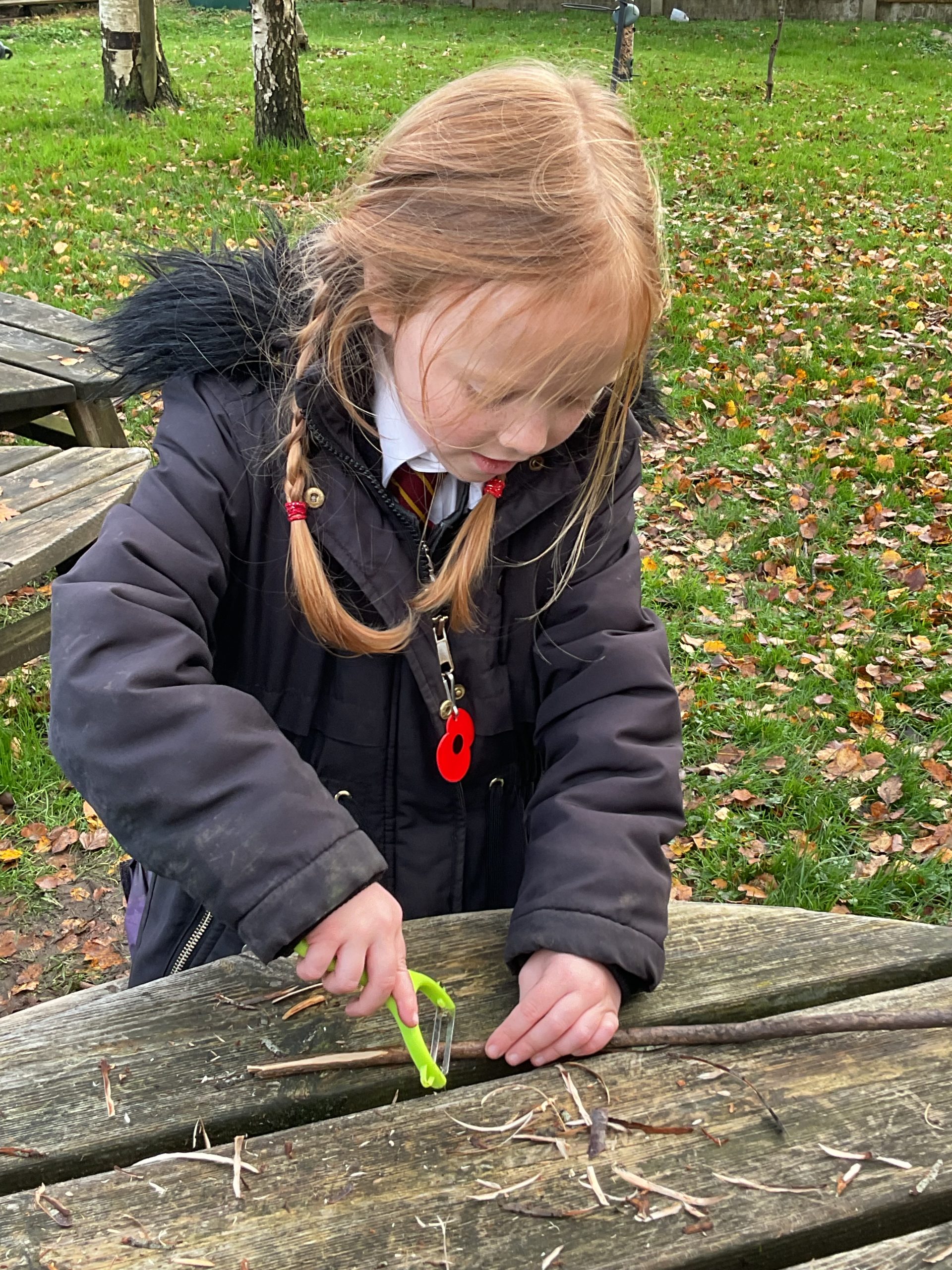
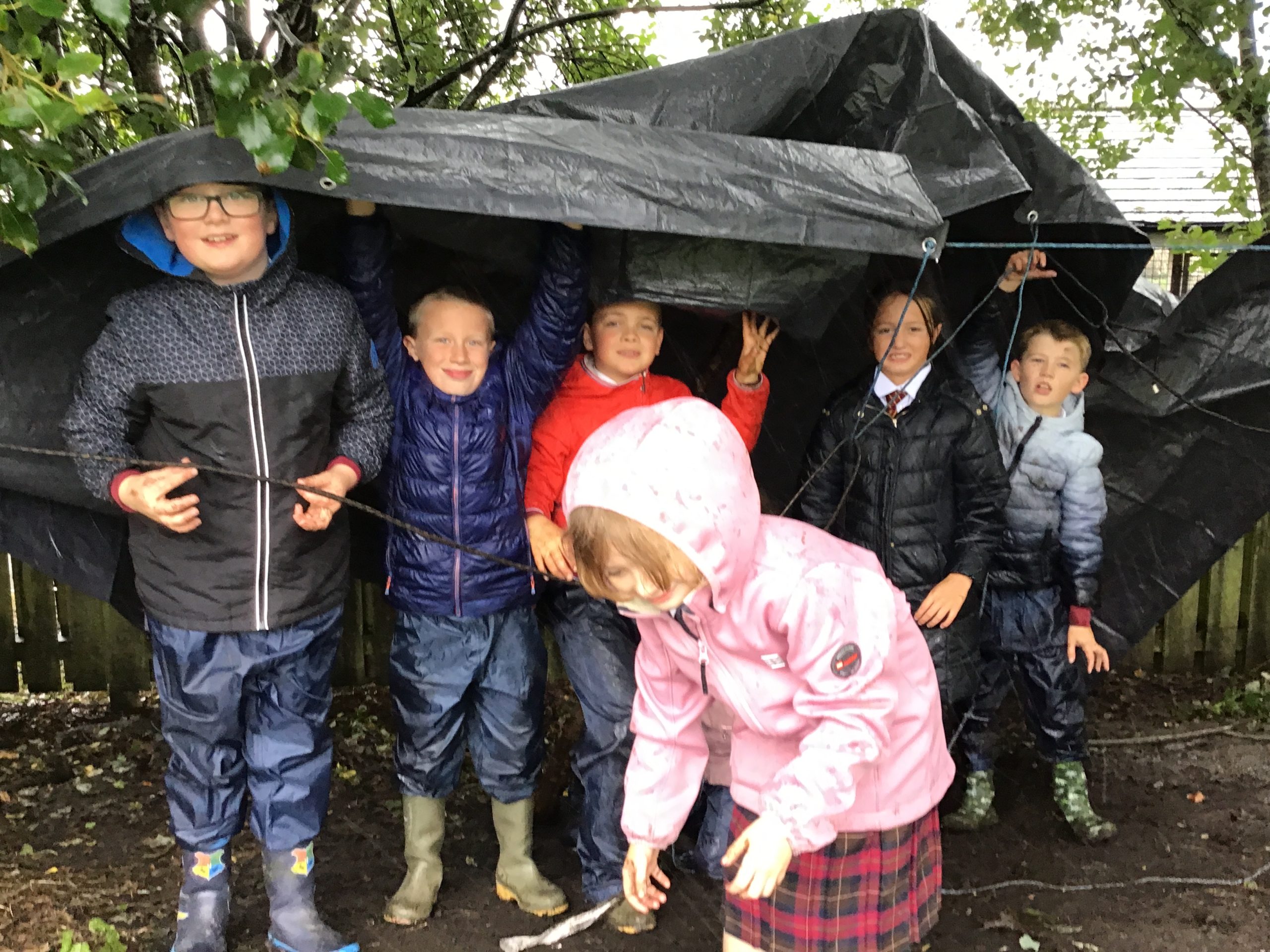
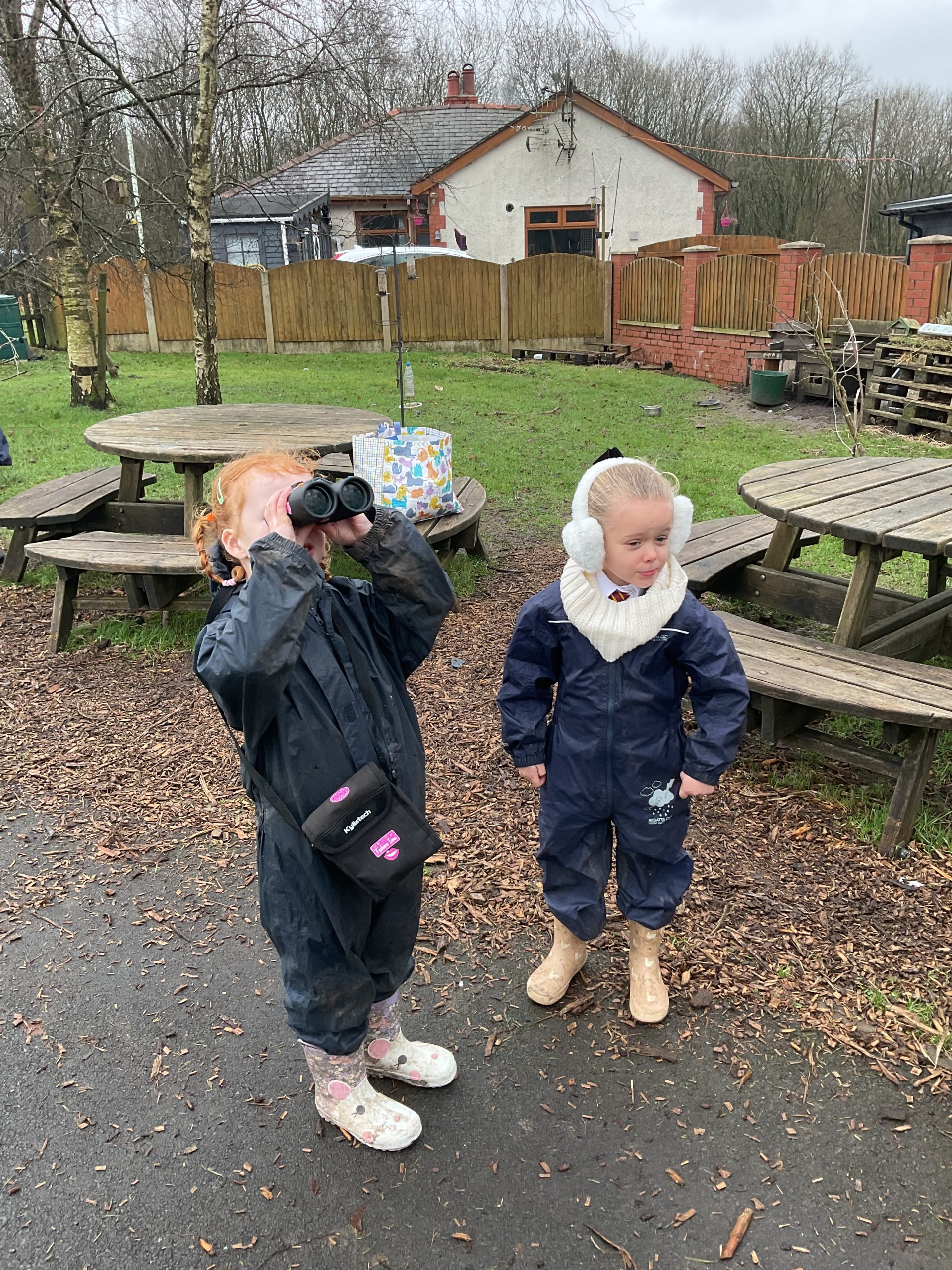
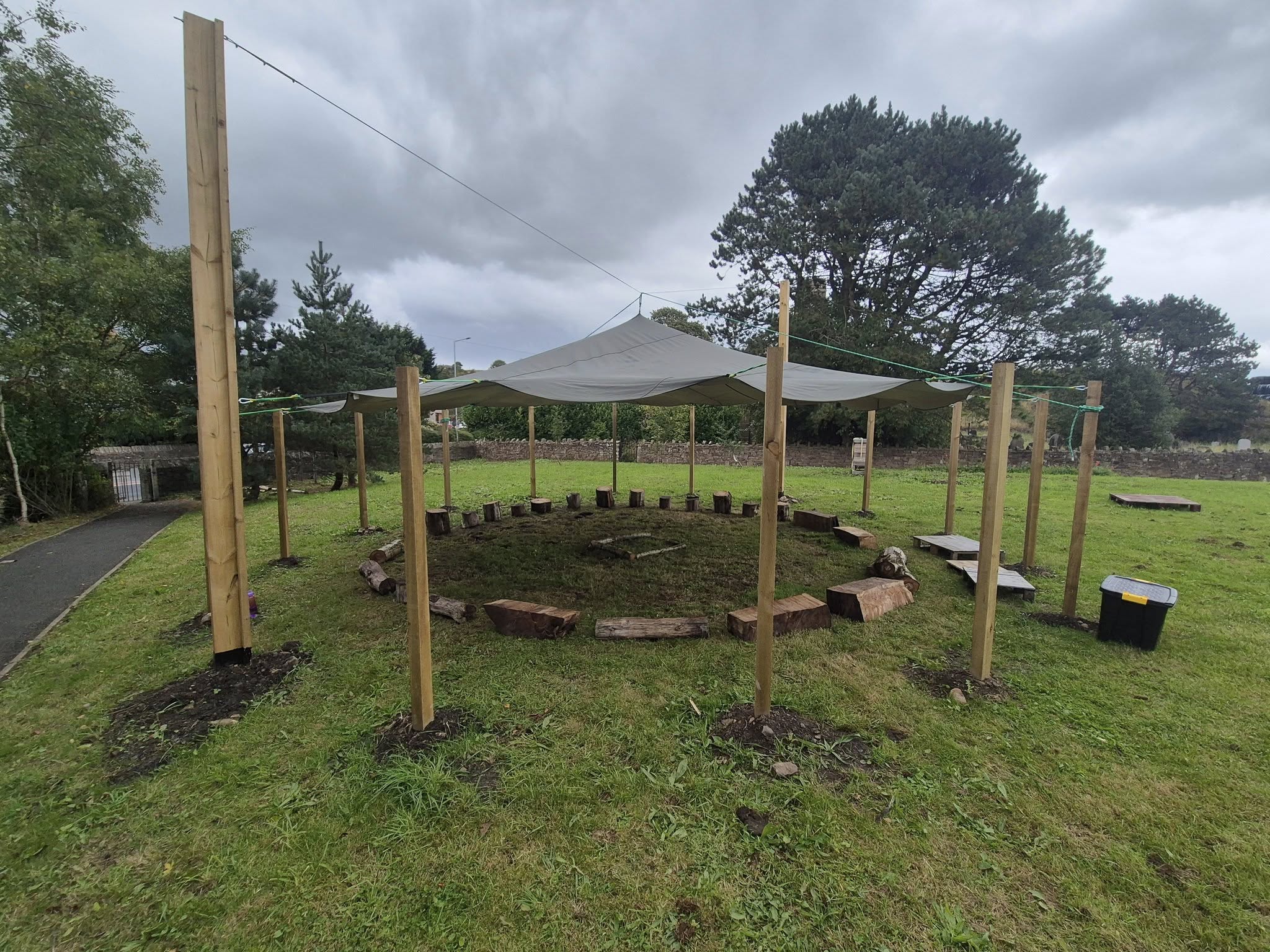
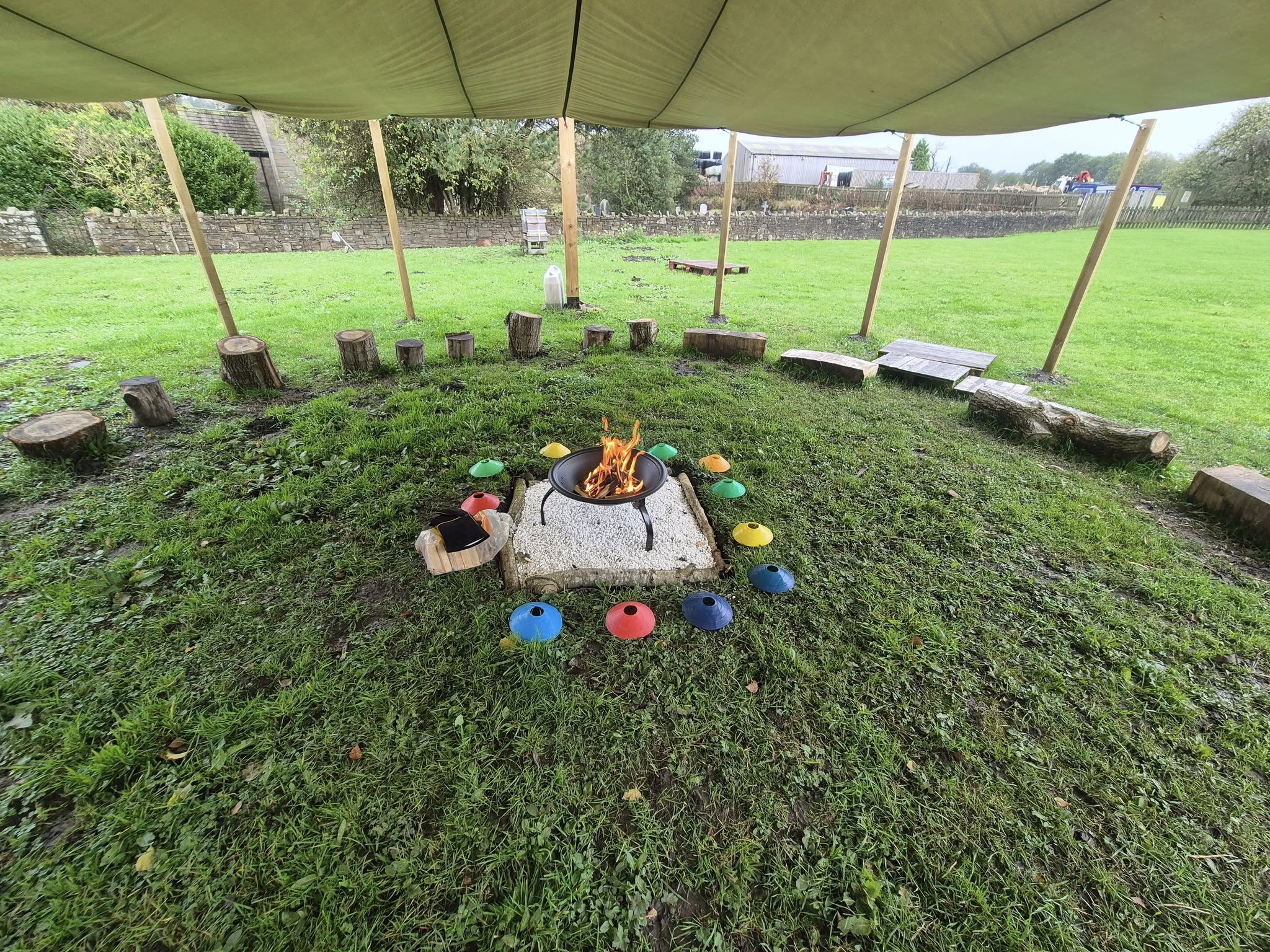
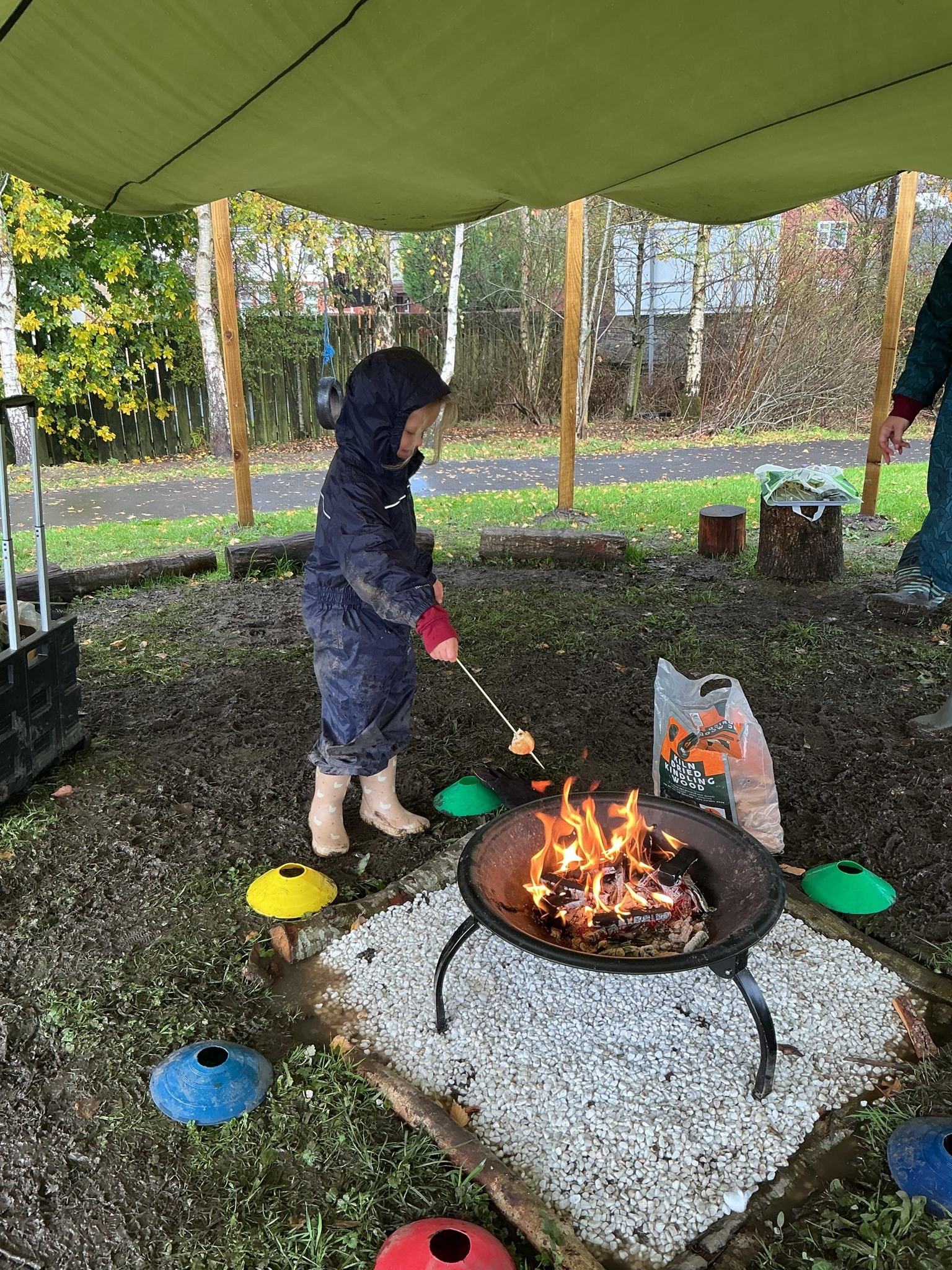
Forest School
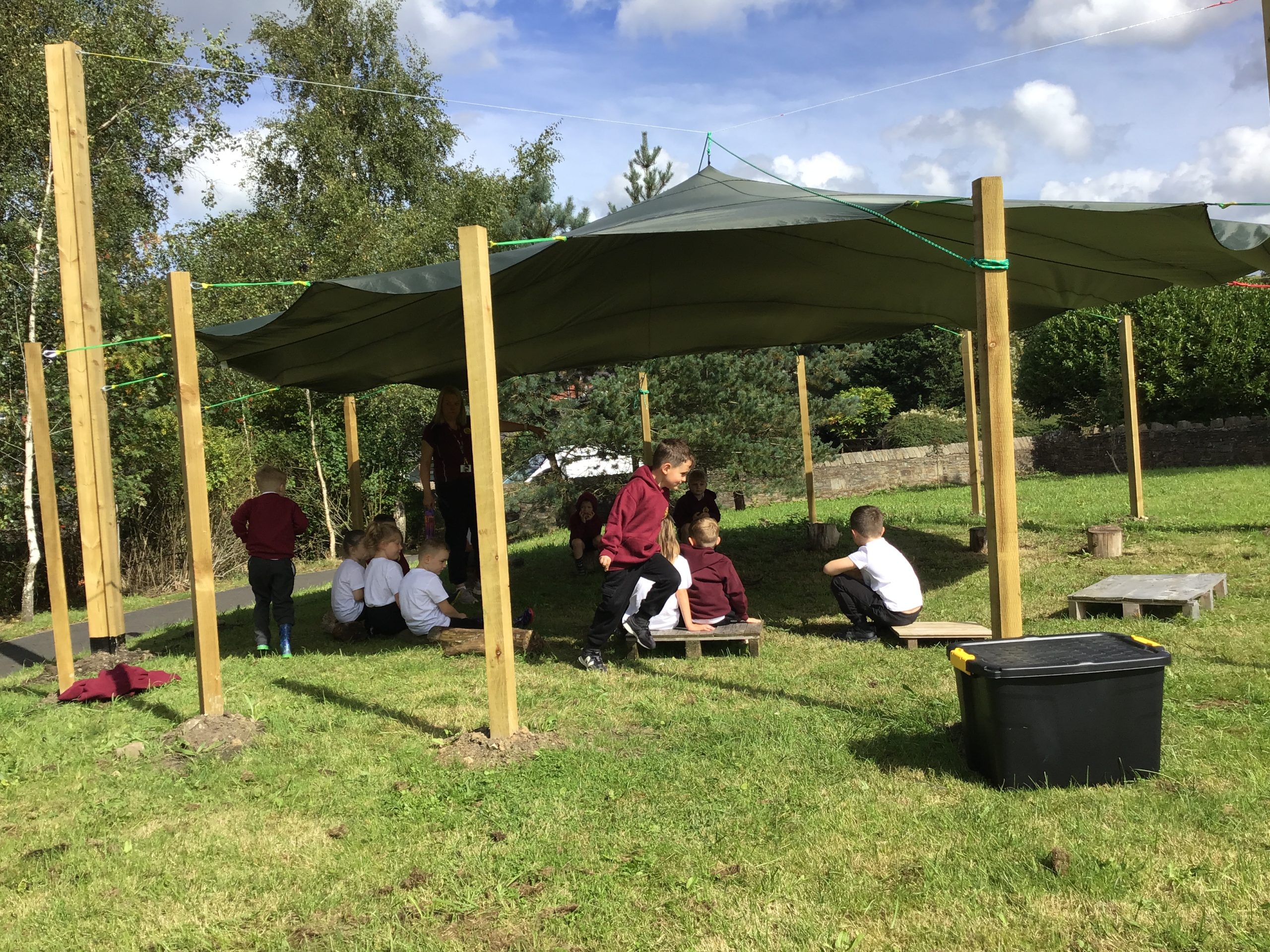
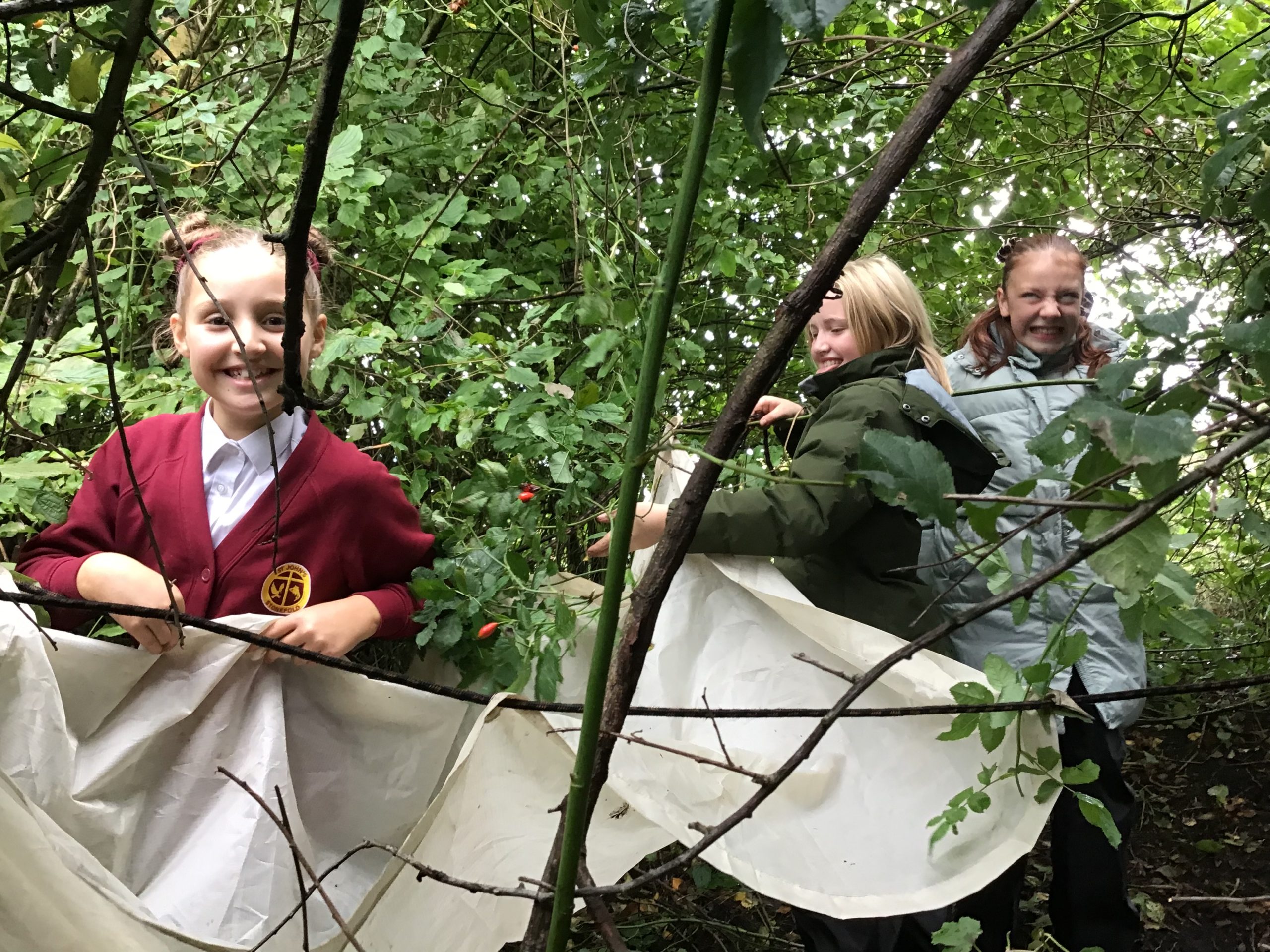
Learning and Thriving Outdoors
“An inspirational process that offers children regular opportunities to achieve and develop confidence through hands-on learning in a woodland environment” O’Brien & Murray (2008).
Forest School originated in Scandinavia and was widely adopted in Denmark in 1980. It was brought to the UK in 1993, with the idea of encouraging and inspiring children through positive outdoor experiences.
The development of Forest School began in the mid 1990’s and was brought to England by staff of Bridgwater College, following an exchange visit to Denmark in 1993. In 1995 a group of students, nursery nurses and lecturers from the College began to apply the same principles to childcare provision following the visit. In doing so, they became the pioneers of the Forest School concept in the UK. Forest School was born!
- Builds independence
- Curiosity
- Spatial awareness
- Social skills
- Risk management
- Problem solving
- Self-discovery
- Increased self esteem
- Exploration of senses
- Motor development
- Team building
- Creativity
- Imagination
- Principle 1: Forest School is a long-term process of frequent and regular sessions in a woodland or natural environment, rather than a one-off visit. Planning, adaptation, observations and reviewing are integral elements of Forest School.
- Principle 2: Forest School takes place in a woodland or natural wooded environment to support the development of a relationship between the learner and the natural world.
- Principle 3: Forest School aims to promote the holistic development of all those involved, fostering resilient, confident, independent and creative learners
- Principle 4: Forest School offers learners the opportunity to take supported risks appropriate to the environment and to themselves.
- Principle 5. Forest School is run by qualified Forest School practitioners who continuously maintain and develop their professional practice.
- Principle 6. Forest School uses a range of learner-centred processes to create a community for development and learning
In our Forest School, we use SPICES to adopt a holistic approach to our learning:
- Social
- Physical
- Intellectual
- Communication
- Emotional
- Spiritual
How will you keep my child as safe as possible at Forest School?
- Increased Staff to Child ratios
- Forest School trained staff
- Secure site
- Children learn rules
- Children involved in risk assessment
- Safe practice for tool use
- All activities have a risk benefit assessment
- Staff are first aid trained
What does my child need to wear?
Winter
- Woolly hat & gloves
- Waterproof coat
- Wellies & warm socks
Summer
- Sun hat
- Sunscreen
- Change of Shoes/Wellies, if wet
If it’s cold or raining, will Forest School still take place?
Forest School takes part in all seasons and conditions, except for extreme weather.
From September, our Forest School provision will continue to grow as we place a greater emphasis on spiritual development through the outdoors. We are developing opportunities for children to pause, reflect and explore big questions in a natural setting—helping them deepen their sense of awe and wonder, appreciate God’s creation, and develop a stronger understanding of themselves and the world around them. Through quiet reflection spaces, guided discussion and meaningful outdoor experiences, we aim to nurture pupils’ spirituality alongside their confidence and resilience. We are excited to see how this evolving aspect of Forest School will enrich our curriculum and support every child in growing both personally and spiritually.





A world without technology
Smartphone Free Childhood Campaign
📱 Becoming a Smartphone-Free School from September 📱
At St John’s Stonefold, we are committed to creating a safe, focused and distraction-free learning environment for all of our children.
From September, we will be a smartphone-free school.
We recognise that some of our older pupils walk to and from school independently, and that having a phone can support their safety. For this reason, we currently allow Year 6 pupils who walk to and from school to bring a mobile phone.
However, from September:
Any phones brought into school must not be smartphones
We will only permit basic “brick phones” (calls and texts only)
This approach allows us to:
Support pupil safety on the journey to and from school
Reduce risks linked to social media, online content, and distractions
Maintain a calm, focused learning environment
We believe this strikes the right balance between safeguarding, wellbeing, and readiness to learn.
If you have any questions or concerns, please contact the school office.
Thank you for your continued support as we take this positive step for our school community.